
Learn
Reuse 101
Reuse basics and what you need to know to make the case for reuse in your community and beyond.
What is a reuse economy?
In a reuse economy, containers and packaging are designed to be reused again and again in their original form, and they recirculate within systems which serve entire communities.
A reuse economy turns packaging into a service instead of a product. Rather than putting the burden on consumers to waste less and “BYO” containers, reusable packaging systems are the default method for people to get food, beverages, and retail items.
What does a reuse system look like?
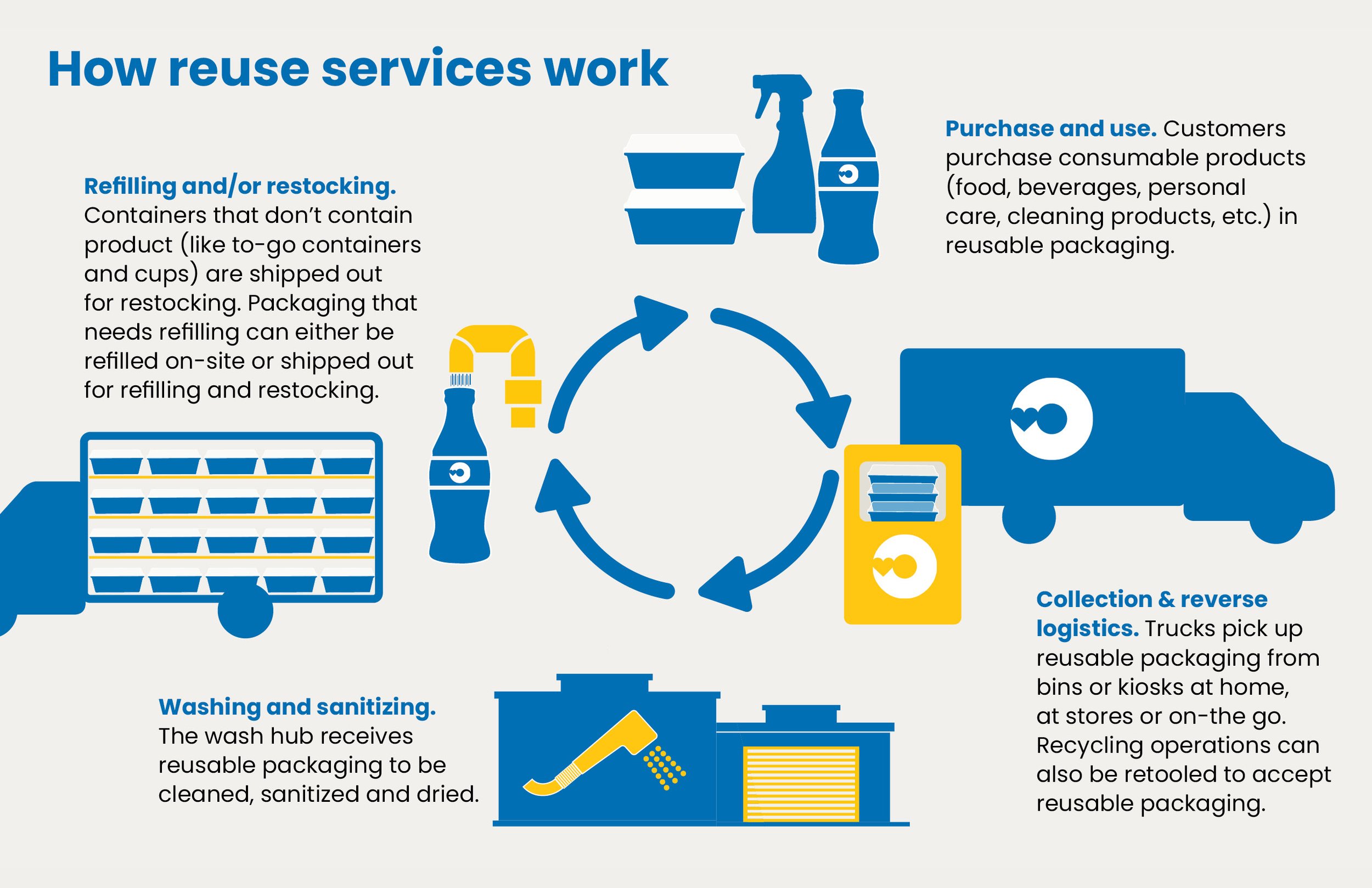
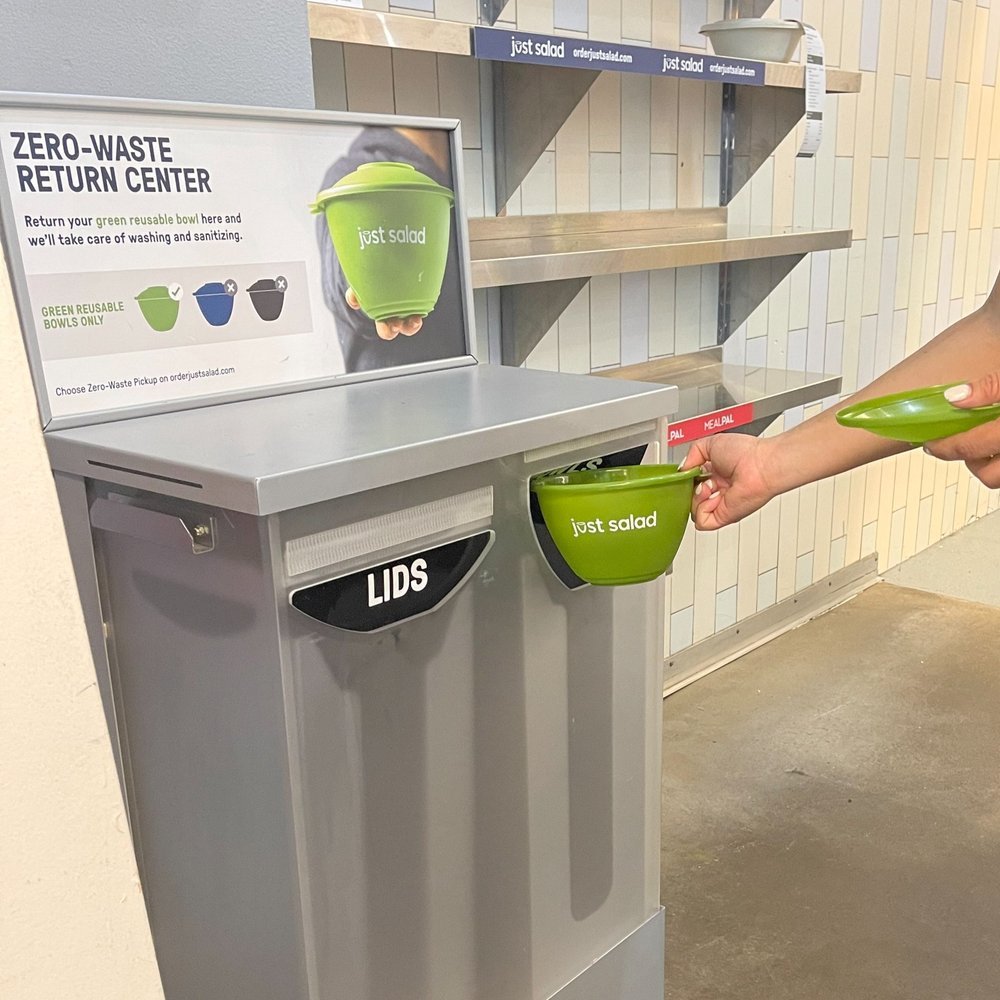
A reuse system involves the buildings and trucks, technology, and staff to collect, wash and sanitize, and recirculate durable, returnable containers and packaging. Reuse service providers who offer some or all of these elements are a growing business sector.
Why do we need a reuse economy?
The reuse economy suppresses extraction of materials and the endless production of single-use items. It all but eliminates landfilling and incineration.
Reuse keeps resources circulating locally and helps businesses achieve independence from volatile global supply chains.
Reuse slows global climate change and builds community resilience to climate impacts by buffering against supply chain disruptions; fostering local self-reliance; allowing faster access to goods and resources in emergencies; and facilitating stronger social infrastructure by creating multiple touch points throughout a community.
Reuse creates jobs, increases community wealth, and is a key part of the transition to a safer, healthier, more participatory society.
But wait, what is reuse?
Any process in which an item (e.g., packaging) is used again for the same purpose for which it was originally designed.
Where do reuse systems operate?
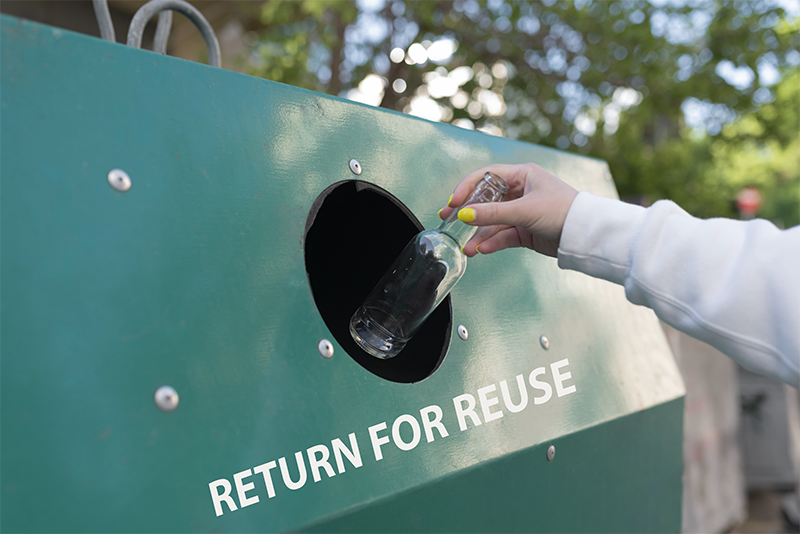
Beverages
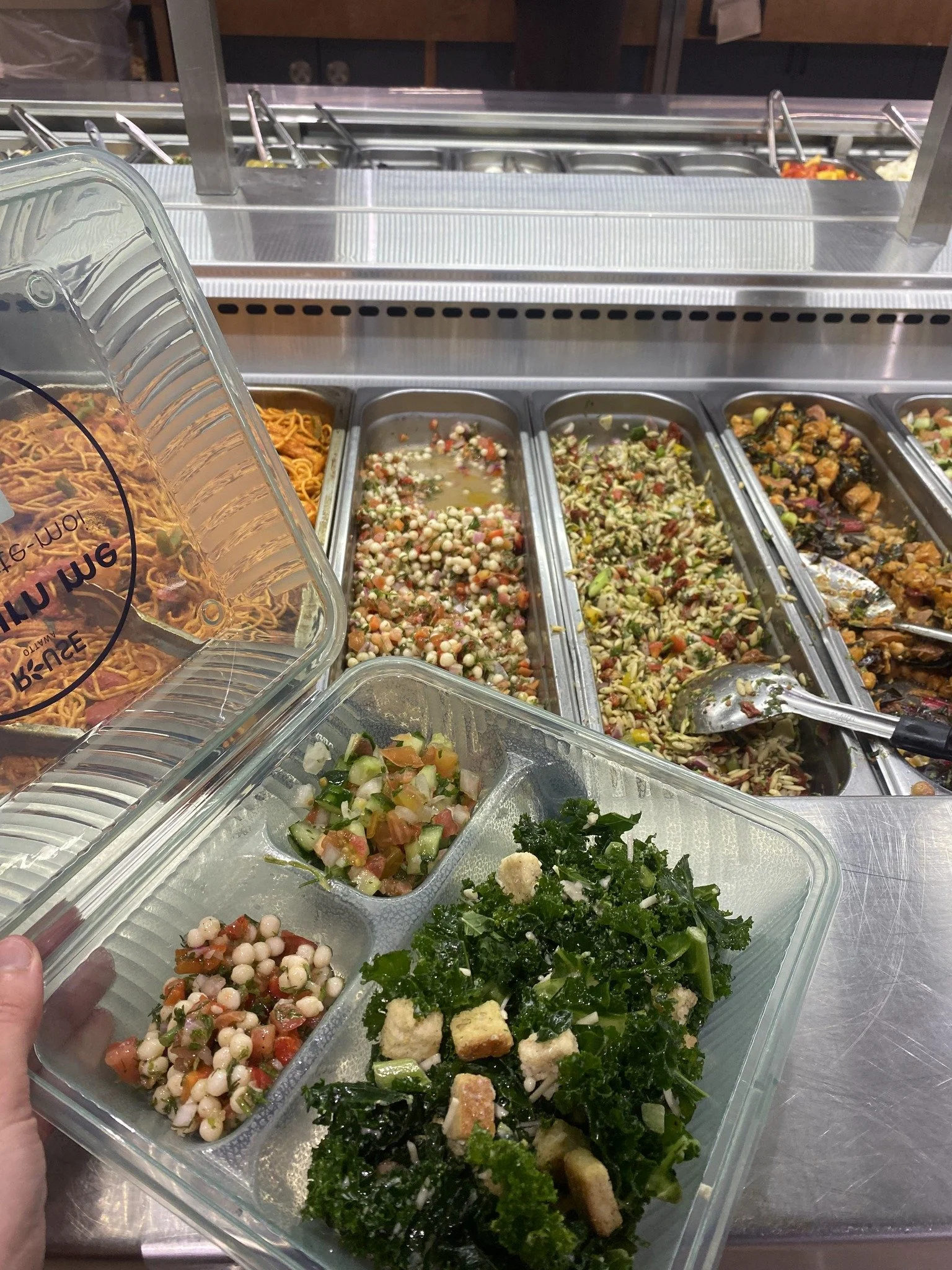
Grocery Stores
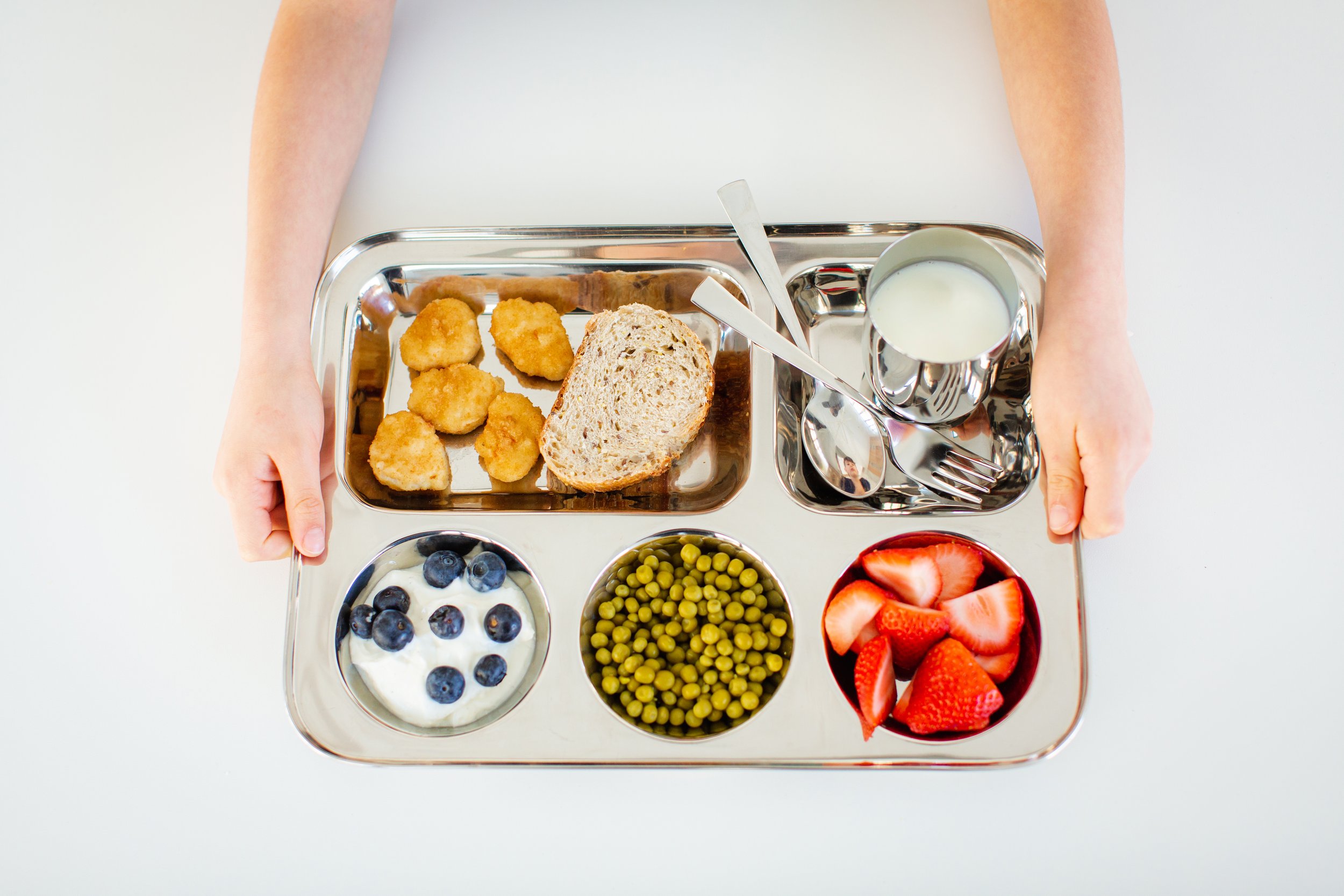
Schools
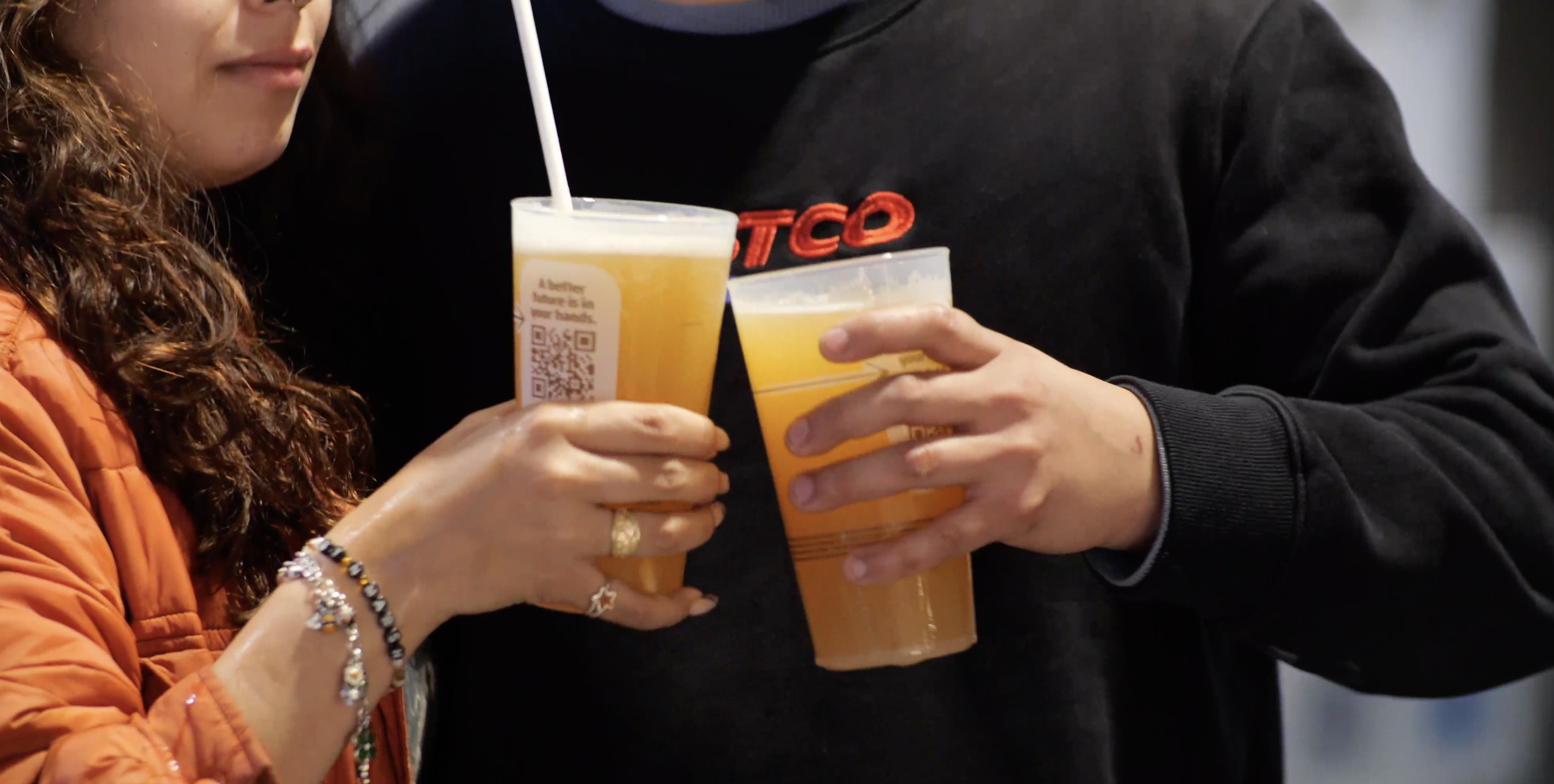
Events
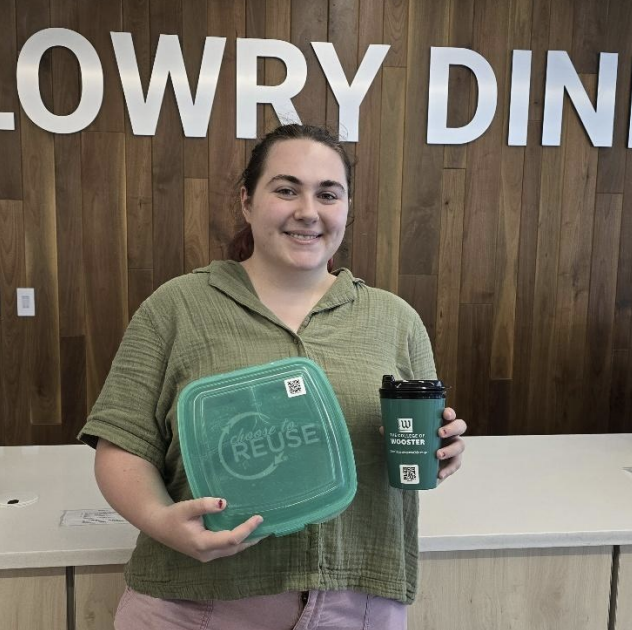
Universities
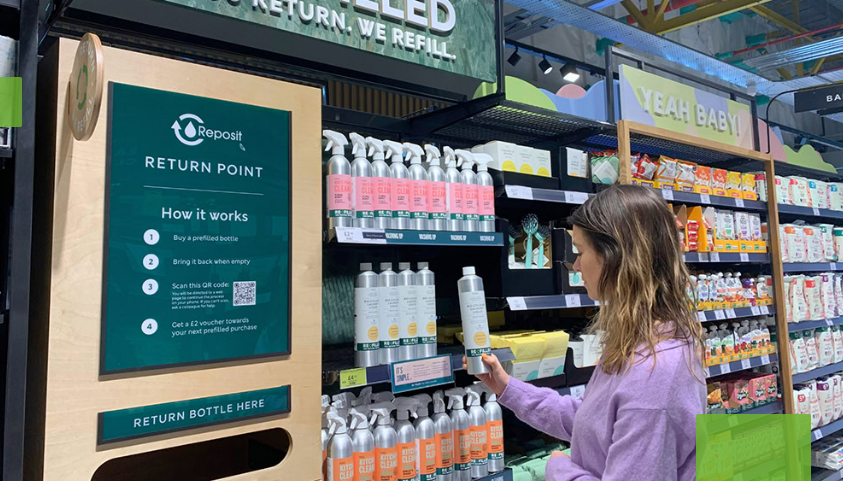
Consumer Packaged Goods
…and more!
Image credits: Schools: Ahimsa, Universities: USEFULL, Grocery Stores: Reuse Ottawa, Events: r.World, CPG: Reposit
Reuse Learning Library
Informational overviews of topics to help you learn the ins and outs of reuse, with a rich library of resources at the bottom of each page for a deeper dive into the topic.
-
![hands passing food at a restaurant with reusable dishes]()
Reuse for Onsite Dining Library
-
![A plastic bag with the words 'BIO COMPOSTABLE' containing several apples, which are also visible outside the bag.]()
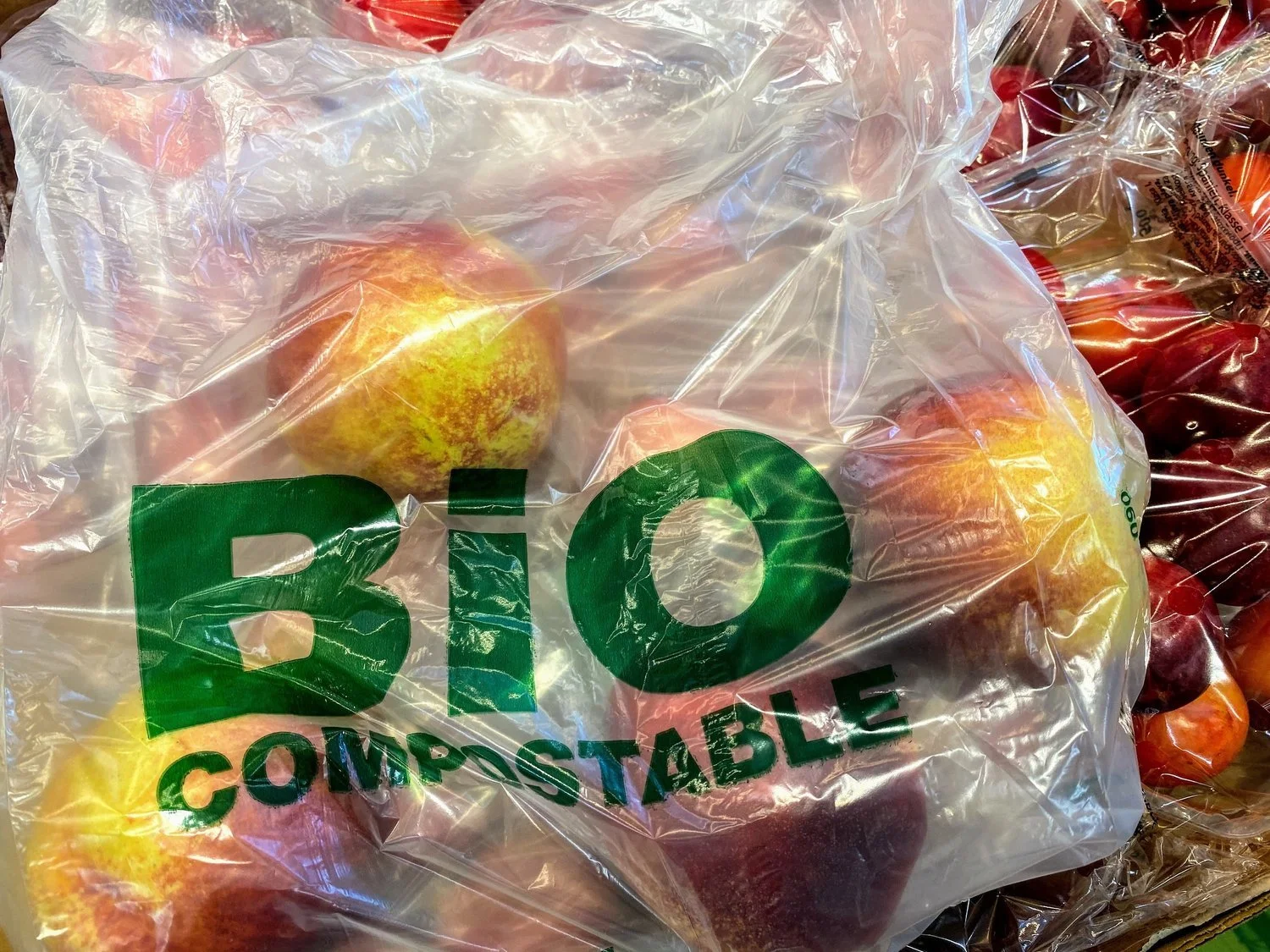
Why single-use compostables and bioplastics aren’t the answer
-
![A person wearing a reflective safety vest standing near large bales of compressed trash and plastic waste outdoors, with a gray industrial building and trees in the background under a cloudy sky.]()
Why we can’t recycle our way out of the problem
-
![Close-up of green tropical leaves, including monstera and fern, layered and overlapping.]()
Reuse vs. single-use: environment
-
![A glass container filled with coins in which a small green plant with leaves is growing.]()
Reuse vs. single-use: economics
-
![Hand holding a reusable coffee cup with a black lid outdoors, with bicycles and fallen yellow leaves in the background.]()
The Reuse Economy
-
![A bicycle parked on a bike rack near a green grassy area and a large brick building with ivy-covered walls. Trees line a sidewalk in a park-like setting on a sunny day.]()
Reuse in Schools
-
![A stainless steel tumbler filled with a latte topped with latte art sitting on a wooden table, with a large textured white vase filled with purple and green floral arrangements in the background.]()
The Reuse Outreach Playbook
-
![reusable coffee cup next to a paper one]()
Understanding Data: Life Cycle Assessments in Reuse




Reuse Reports by Upstream
For other key reports regarding reuse, see our Research page.
-
![Colorful stacked plates and bowls with spoons on a white background.]()
Reuse Wins
-
![A crowd at a concert or festival with people making heart shapes with their hands, facing a brightly lit stage with smoke effects.]()
Reuse Wins at Events
-
![Arrangement of various food and household product containers, including seasoning jars, tea tins, and bottles of tea and detergent.]()
The New Reuse Economy
-
![kid with lunch tray]()
The Conscious Cafeteria Report


Reuse 101 Articles







Reuse 101 Podcasts



Recyclable and reusable packaging can share collection points, transportation systems, and sorting and processing facilities. Here’s what that looks like.